Day Hike Packing Checklist: 15 Essentials for a Safe Four-Hour Trail
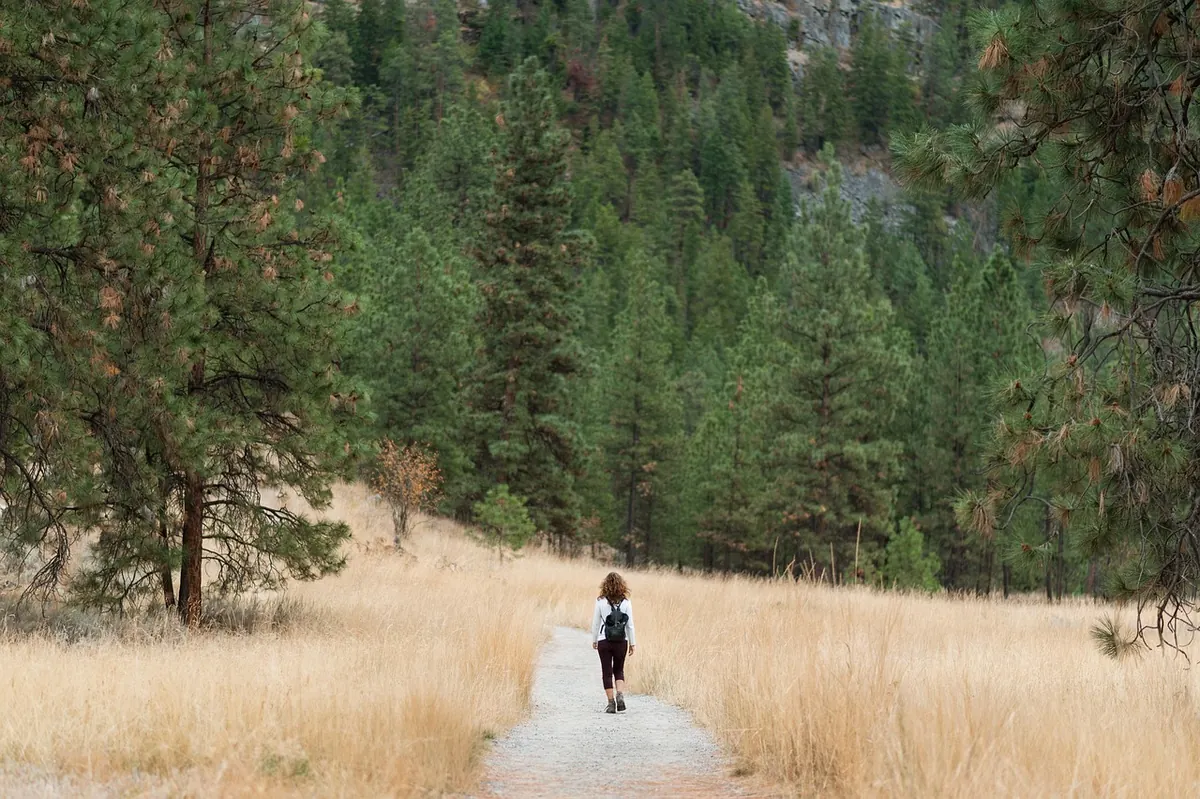
Four hours on a trail is a strange length of time. Short enough to feel casual, long enough for the weather to change its mind, for the sun to move across the valley, for a turned ankle to matter. The pack you carry for a half day doesn't have to be heavy. It has to be thought through. What follows are the fifteen items I take, grouped by purpose, that cover a four-hour hike in most conditions — from a wooded loop to an exposed ridge with a view.
Start With What You're Wearing
On a half-day hike you wear most of your kit rather than carry it, so the aim is layers you can add or shed without breaking stride for long. Start the climb slightly cool. You'll warm up in ten minutes, and you won't spend the first hour sweating through a jacket you then have to carry.
- A base layer that handles sweat. Cotton stays wet against your skin and turns cold the moment you slow down. A synthetic or merino t-shirt dries quickly and stays comfortable under a pack strap.
- A light insulating layer. A thin fleece or synthetic jacket. Ridges, shaded valleys and north-facing slopes can run noticeably cooler than the car park, and this is the layer you'll pull on at the viewpoint.
- A shell. Packable and windproof at minimum, waterproof if the forecast is uncertain. Wind is the most common reason a mild day starts to feel hostile.
- Footwear with grip, already broken in. Trail shoes or light boots with tread that bites. A four-hour hike is not the place to test new boots — wear them around town for a week first.
- Socks, plus a spare pair. Wool or synthetic, never cotton. A dry pair in a zip bag weighs almost nothing and feels like a small holiday if your feet get wet.
Add a cap for sun or a beanie for cold, and light gloves if the morning is crisp. If the day is genuinely cold, add a warm hat and a spare pair of socks to the pack rather than a heavier jacket — extremities are what people forget.
Water and Food: Weight Worth Carrying
Water is the item people most often under-pack, usually because they judge by thirst rather than by effort. Thirst lags behind need, particularly in cool, windy weather when you don't notice you're sweating. A sensible starting point for moderate walking in mild conditions is around half a litre per hour, and more on sustained climbs, in heat, or above the tree line. For four hours, that puts most people at 1.5 to 2 litres.
Split it between a reservoir and a bottle. The bottle lets you see what you have left and share it with someone who ran out. If you're hiking in serious heat, at altitude, or you have a condition that affects hydration, get advice from a doctor rather than relying on general rules.
Food that earns the space
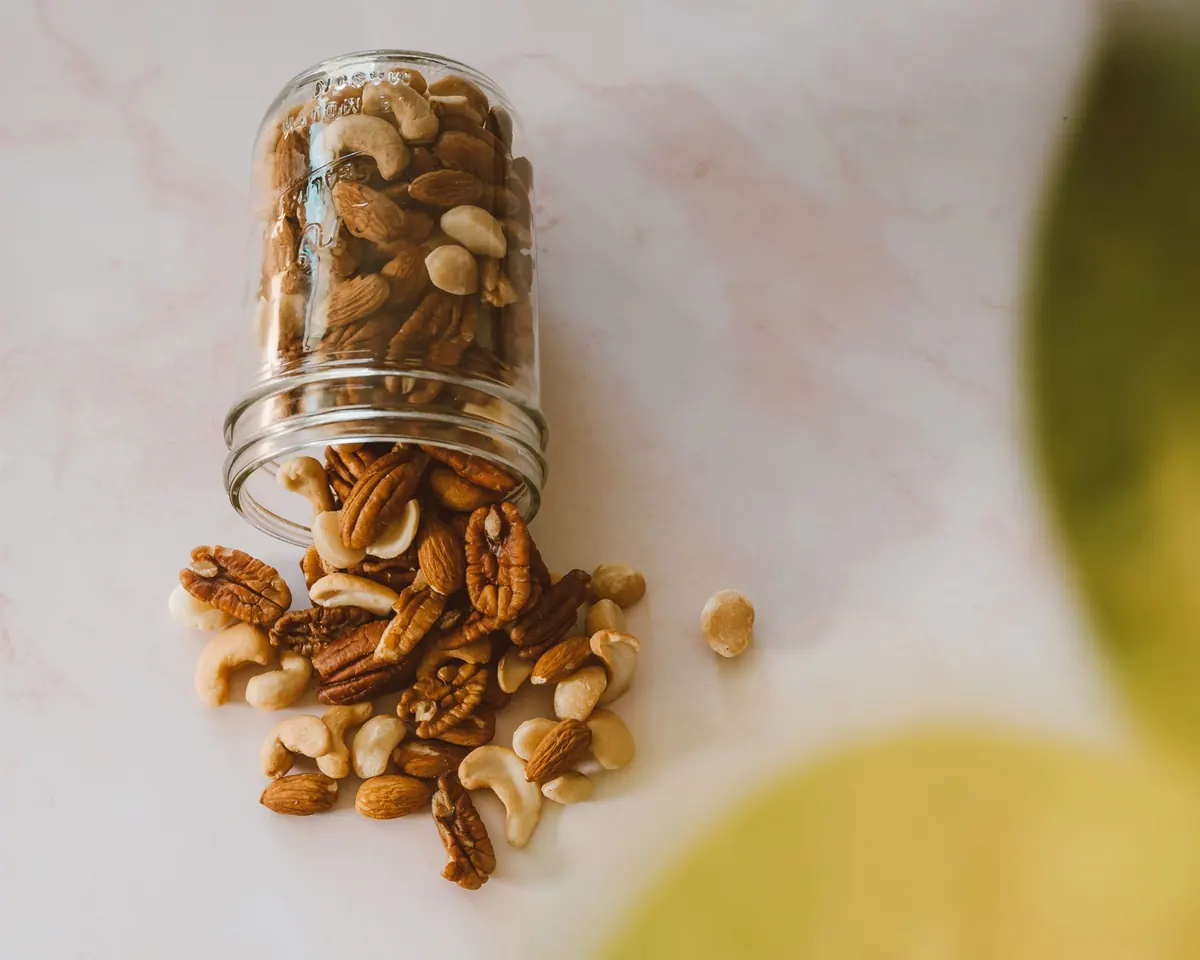
Bring something you actually want to eat at the halfway point — a wrap, a sandwich, fruit, nuts, a bit of cheese. Then add one emergency snack: a bar or a handful of dried fruit you don't particularly like, so you don't eat it out of boredom at the first switchback. On a four-hour hike you won't starve, but a proper stop keeps your attention where it belongs, on the trail rather than on your stomach. A salty snack is worth packing alongside the sweet ones.
Navigation You Don't Have to Trust Blindly
A phone is a wonderful map and a terrible plan. Before you leave, download the offline map tiles for the area, put the phone in airplane mode to save battery, and screenshot the route description. Reception disappears exactly where you'd most like it to exist.
Carry a small power bank and a short cable. Cold drains batteries quickly, and a phone used as a camera, map and clock all morning will not last the day on a full charge alone.
For anything beyond a well-marked loop, add a paper map and a compass, and know how to orient the map to the ground. It takes five minutes to learn and it's the difference between a detour and an afternoon spent walking in the wrong direction. Before you set off, note the junctions where you'll turn and set a turnaround time. Deciding to turn back is much easier when the decision was made before you were tired.
Safety Kit for the Unlikely Hour
- A headlamp with fresh batteries. The single most overlooked item. Four hours becomes six when you linger for lunch, take photos, or miss a junction. A phone torch is not a substitute when you need both hands on a rock.
- A small first aid kit. Blister plasters, a roll of tape, antiseptic wipes, tweezers, gloves, and any personal medication — including an antihistamine if you react to stings. Add a painkiller you know is safe for you.
- An emergency bivvy bag or space blanket, and a whistle. They weigh almost nothing and stay in the pack for years without use. A whistle carries further than a voice and costs you no breath.
Wrap a metre of tape around a water bottle and add two zip ties to your kit. Half of all trail repairs are tape, tension or a bit of improvisation, and a broken strap or a split sole needn't end the day.
The Small Items That Punch Above Their Weight
These are the ones that turn a fine hike into a comfortable one.
- Sun protection: a hat, sunglasses and sunscreen. Ridges, water and late snow all reflect light, and four hours of exposure adds up even on a hazy day.
- A knife or small multitool, for cutting tape, fixing a strap or opening lunch.
- A pack liner or dry bag for your spare layer and phone. A wet fleece is dead weight for the rest of the day.
- Insect repellent in season, and a couple of zip bags — one for rubbish, one for wet socks.
- A tiny towel or bandana that doubles as a sweat rag, a sun shade or a makeshift bandage.
The Five-Minute Pack Shuffle
The night before, lay everything on the floor and pack in this order. It takes five minutes and it's the difference between a pack that works and a bag you have to unpack on a windy col.
- Emergency kit and spare layer in the bottom, in a bright stuff sack so you can find it without emptying the pack.
- Heaviest items — water, lunch — against your back, around the middle of the pack.
- Shell and hat at the top, where you can reach them without stopping to rummage.
- Water bottle in a side pocket, snacks in a hip pocket or lid.
- Map, phone and headlamp where you can get to them in seconds.
Then check the forecast one last time, note the sunset hour, and tell someone where you're going and when you expect to be back — a message is enough, but a note on the dashboard works too if you're hiking alone and out of signal. If the pack feels heavy on your back before you've left the house, something in it is probably a "just in case" you don't need for four hours. Take it out, and go.
Photo: yinet_87 / Pixabay