How to Build a Trail Snack Plan for Hot-Weather Hikes
Heat rewrites the rules of trail eating. The sandwich that tasted fine in April turns gluey by noon in July, appetite vanishes just when you need fuel most, and the chocolate bar in your hip pocket has quietly become a brown puddle. None of that is a character flaw. It is what happens when a cool-weather snack habit gets carried into a hot day.
A snack plan for hot hikes is less about counting calories than about matching what your body will actually accept, and what will still be edible after four hours in a warm pack. Here is how to build one you will follow without thinking about it.
Salt First, Sugar Second
Most trail snacks are sweet: bars, chews, dried mango, cookies. They work, but on a hot day they turn cloying by the third bite. When you sweat you lose water and salt, and the salt part is easy to overlook because it does not announce itself the way thirst does.
Salty, dry, savoury food resets your palate and gets you drinking. A handful of pretzels makes you want water; a second fruit chew often does not. That is a practical reason to bias your kit toward savoury, not a nutritional law you need to police.
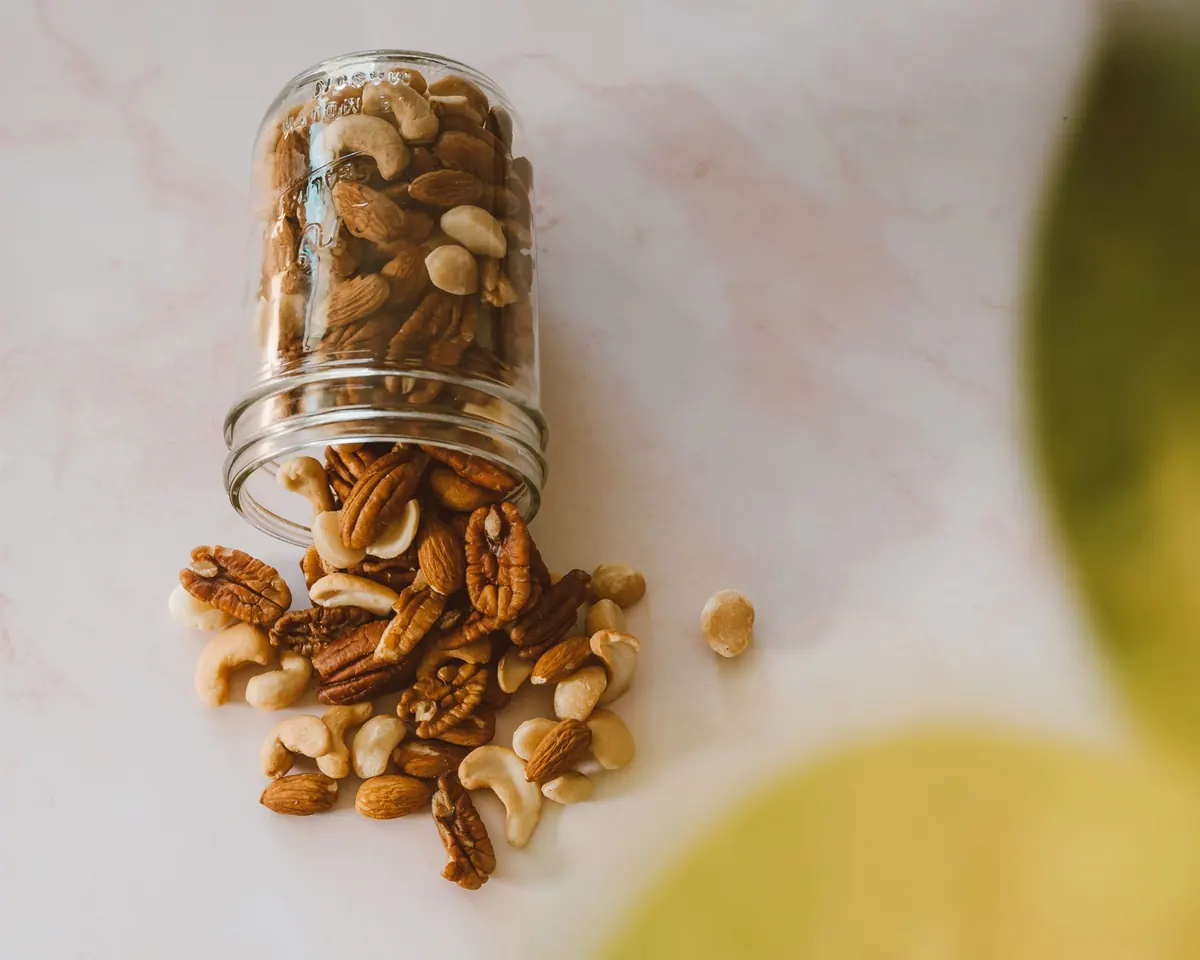
Reliable savoury options that travel well: salted crackers, pretzels, salted nuts, olives in a small screw-top tub, hard cheese, savoury biscuits, a bouillon cube to dissolve in warm water at a rest stop, or salted popcorn in a rigid container. Keep the very fibrous and very fatty items for cooler days; they sit heavily when it is 34°C and you are climbing.
Easy to eat beats virtuous
On a hot climb you are breathing hard, your hands are busy and a proper stop costs momentum. Food you can eat in three bites with one hand wins over food that requires a knife, a flat surface and a mood. The best snack in your bag is the one you will genuinely reach for at the moment you need it.
Build a Three-Layer Snack Kit
Instead of a bag of random items, sort your food by the job it does. Three layers cover almost every hot-weather hike:
- Fast fuel — eaten on the move, every 30 to 60 minutes: crackers, pretzels, dried fruit, fruit chews, a torn piece of baguette, a few sweets.
- Steady fuel — for longer stops mid-morning and mid-afternoon: oat bars, nut butter packets, a tortilla rolled with cheese, trail mix with nuts and seeds.
- Salt and savoury — for after a long sweaty stretch: olives, pickles, salted nuts, hard cheese, salty crackers, broth.
- One reset item — something sharp for when nothing appeals at all: a few sour candies, ginger chews, a squeeze of lemon, a slice of watermelon if the hike is short.
Pack each layer in its own small bag and label it in your head as fast, stop and salt. When you stop for water, you know exactly which bag to open, and you avoid emptying your whole pack onto a rock while the sun beats down on it.
Choose Food That Survives the Heat
A warm rucksack is a mild oven. Chocolate, coated energy bars, soft cheeses, yogurt-covered nuts and gummy sweets all surrender to it. The rough test: if it holds its shape at room temperature in your kitchen, it will survive a day in your pack.
A few habits make the difference. Keep soft items in a small insulated pouch, or leave them at home when the forecast is fierce. Store bars at the top of the pack under a layer of clothing rather than in the mesh side pocket that bakes in the sun. Repackage messy food at home: drain the olives, wrap cheese in wax paper and then a bag, double-bag anything crumbly. Avoid snacks that coat your fingers in something sticky you cannot wipe off, or bring a small cloth for exactly that reason.
Eat by the Clock, Not by Hunger
Heat suppresses appetite. Blood moves to your skin to shed warmth, digestion feels sluggish, and hunger signals that would nag you on a cold day go quiet. Waiting until you feel like eating is how hikers end up running on empty by early afternoon and wondering why the last climb felt so grim.
Set a rhythm instead. Take a few bites every 45 minutes or so, and plan a real ten-minute stop every 90 to 120 minutes. The easiest trigger is your water bottle: every time you sip, eat something small. If you walk with a partner, agree to nag each other, because neither of you will notice your own dip.
Watch for the early cues — sudden grumpiness, yawning, clumsy feet, a strange chill in the heat. Stop, find shade, eat something salty, drink. If someone develops a bad headache, nausea, dizziness or confusion, that is a heat problem rather than a hunger problem: cool them down, get to shade or lower ground, and seek proper medical help if it does not improve quickly.
Pair Every Snack With Water, Deliberately
Dry, salty food needs water to be pleasant and to go down comfortably. Sip before you eat rather than after. On exposed climbs, water needs can surprise you, so carry more than the maths suggests and know where the next refill is.
Two habits keep the balance sensible. First, alternate: plain water most of the time, an electrolyte drink during long, heavily sweaty stretches or when you notice salt marks dried on your shirt. Second, eat some of your water — orange segments, grapes, cucumber sticks or watermelon are heavy to carry but wonderful on a hot day, and well worth the weight on a shorter hike.
If you take medication or have a condition that affects your heart, kidneys or fluid balance, ask a healthcare professional how to handle hydration on hot days before you rely on any general plan.
A Sample Hot-Day Plan
- The night before: portion snacks into fast, stop and salt bags. Freeze one bottle half-full so it stays cold for the first hours.
- At the trailhead: eat a proper breakfast with some salt in it, and start sipping before you set off.
- First hour: mostly water, little food. Let your body settle into the heat.
- Hour two: a handful of pretzels and a few sips, taken without stopping.
- Hour three: a ten-minute stop in shade. Tortilla with cheese, half a bar, more water.
- Hours four and five: alternate fast fuel and salt. If appetite has gone, fall back to crackers and steady sipping rather than forcing a big meal.
- Last hour: finish any fresh fruit, and keep one salty snack for the drive home.
Test It on a Short Hike
Do not debut a new snack plan on a long, exposed day. Try it on a two-hour walk in similar heat, then look at what you actually ate against what you carried. A reasonable working target for moderate hiking is a couple of hundred calories an hour; most people overpack food and underpack water once the temperature climbs. Trim the snacks, add the water, and repeat until the quantities feel right.
The plan that works is the one you barely have to think about: three labelled bags, a bottle you sip from often, and a snack you will still want to eat when it is hot, bright and the summit is a long way up.
Photo: Jess Loiterton / Pexels