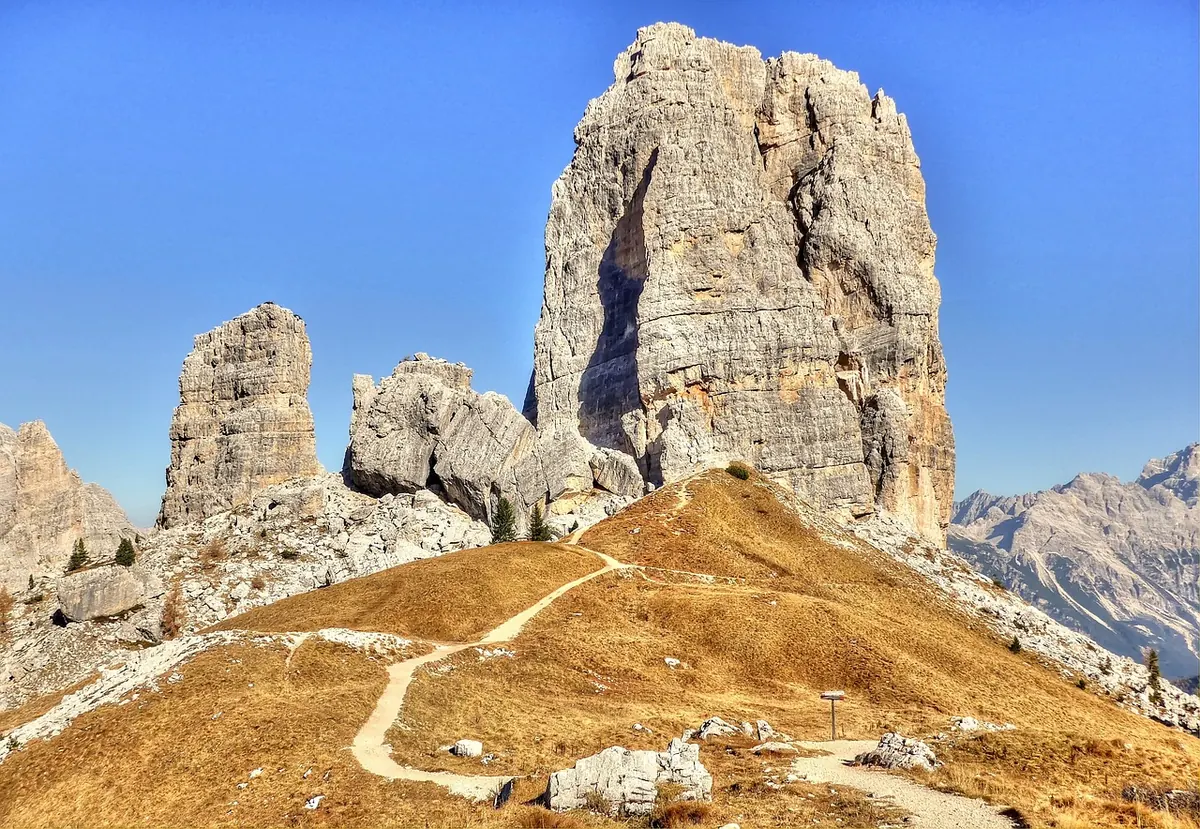
First-Timer’s Guide to Hut-to-Hut Hiking in the Italian Alps
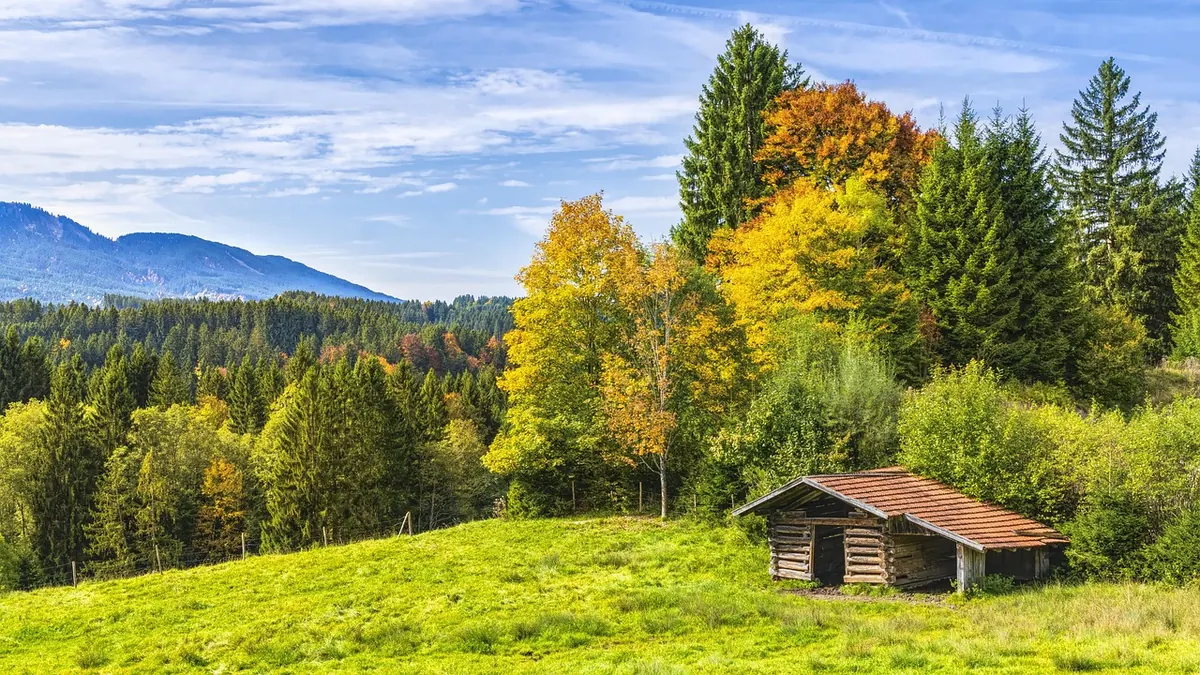
Somewhere on the second afternoon, the trip stops feeling like a series of walks and starts feeling like one continuous journey. You leave a hut after breakfast, cross a pass, eat lunch beside a stream, and by late afternoon you’re drinking a beer on a terrace above the clouds while your boots dry in the sun. Italy’s alpine huts — rifugi in Italian, Hütten in the German-speaking north — make this possible without tents, stoves or a car shuttle. What follows is the groundwork: what to book, what to carry, and how the days actually run.
How the Italian hut system works
Most rifugi fall into two families. Club huts belong to the Club Alpino Italiano (CAI) or a regional alpine club; private huts are run by families, often for generations. Both offer the same basic bargain: a bed in a shared dormitory, dinner, breakfast, and a packed lunch if you ask for one. Bivouac huts (bivacchi) are small unmanned shelters meant for emergencies — not somewhere to plan a night.
Huts range from road-accessible lodges with hot showers and a printed menu to high stone buildings where water arrives by cable winch and the shower is a coin-operated novelty in the basement. Some sit at 1,500 m in larch forest; others hover near 3,000 m and open only from late June to mid-September.
The usual arrangement is half board (mezza pensione): dinner, bed, breakfast. Reserve it when you book. Lunch comes either from the hut’s shop — bread, cheese, speck, chocolate — or from your own supplies. Blankets and duvets are provided, which is why a sleeping bag liner is not optional; it’s the standard requirement and the main thing between you and the mattress.
Build the itinerary around beds, not the other way round
The mistake first-timers make is drawing a beautiful line on the map and then discovering the huts along it are full. Work backwards. Sketch two or three route options, check which huts have space on which nights, and let the beds dictate the stages.
Popular routes — the Alta Via 1 in the Dolomites, the Italian legs of the Tour du Mont Blanc — fill up months ahead for July and August, especially at weekends and around Italian public holidays. Start looking in winter for a summer trip.
- Huts take reservations by email, phone or an online form. Replies can take days, so keep a note of what you’ve requested and what’s confirmed.
- A deposit by bank transfer is common, and cancellation terms vary widely. Read them before you pay.
- Confirm on the morning of arrival if asked; many huts request it.
- Ask for half board, and say whether you want a packed lunch.
- Mention allergies or vegetarian preferences at booking. Hut kitchens are small and the shopping was done days ago.
Some huts hold a few beds for walk-ins, but don’t build a high-season plan on it. Membership of CAI or a reciprocal alpine club often brings a modest discount at club huts — check current terms rather than assuming.
What actually goes in the pack
Aim for six to eight kilos including water. You’re not camping, but you are carrying everything between huts, and the third climb of the day punishes optimism.
- Broken-in boots with real tread. Trail shoes suit many lower routes but not long scree descents.
- A sleeping bag liner — silk or cotton, light and quick-drying.
- Light hut shoes or slippers; boots stay by the door.
- Layers: base layer, fleece or light down, waterproof shell with a hood. Warm hat and gloves, even in August.
- Headtorch, earplugs, eye mask. Dorms hold six to twenty people and someone always snores.
- Two bottles or a bladder. Ask locally before drinking from streams; a small filter is cheap insurance.
- Blister kit: tape, plasters, a needle. Deal with hot spots the moment they appear.
- Cash in small euro notes, ID, health card or insurance details.
- Phone, power bank, offline maps or the relevant guidebook pages.
Leave the jeans and the hardback book at home. Hut libraries tend to be a shelf of German paperbacks and a deck of cards with two missing.
A day on the trail, hour by hour
Morning
Breakfast is early, often 6:30 to 7:30, and it’s bread, jam, butter, coffee, maybe yoghurt and a boiled egg. Eat properly; the next reliable food is your lunch. Settle your bill before leaving — and check the socket by your bunk, because charging cables are the most commonly abandoned item in the Alps. Be walking by 7:30 or 8:00. Summer afternoons build thunderstorms, and an exposed ridge at 15:00 is not where you want to be.
On the trail
Signposts use red-and-white waymarks and give times rather than distances. Italian timings assume a steady pace with short breaks; most people are a little slower with a pack. Greet everyone you pass with “buongiorno”. It’s expected, and it’s how you hear about a closed path or a working water source ahead.
Arrival
Aim to reach the hut by mid-afternoon. Claim your bunk, hang damp clothes outside, shower if there is one, and order a drink. Dinner runs at a fixed time, usually 19:00 or 19:30, and it’s a set menu: a primo of pasta, soup or polenta, a secondo with a side, sometimes dessert. Tell the guardian if you’ll be late.
Evening
Lights out is often around 22:00. Sort your pack for the morning while you still have light, and set an alarm you’ll actually hear.
Hut etiquette that locals notice
- Say hello when you walk in: “buongiorno” during the day, “buonasera” after about 17:00.
- Boots off at the entrance and carried to the boot room. Hut shoes inside.
- Keep the dorm quiet after lights out, and take phone calls outside.
- Use the drying room or rack rather than draping wet gear over someone else’s bunk.
- Water is finite up high. Take short showers, and don’t fill three litres if everything is hauled up by cable car and sold by the bottle.
- Blankets stay on the bed; your liner goes between you and them.
- Ask before eating your own picnic in the dining room at dinner service.
- Dogs are often barred from dormitories — check before booking.
- Tipping isn’t expected. Rounding up or leaving a couple of euros is a kind gesture.
Practical notes before you set off
Choose a first route of three or four nights, and shorten stages with cable cars and buses where it helps. Nobody is scoring you. A buffer day at the end saves a trip when weather closes a pass.
Check what your insurance covers for hiking and whether mountain rescue is included; some alpine club memberships carry rescue cover in Italy, so read the wording of yours. Carry cash for huts that don’t take cards, and tell your bank you’re travelling.
If you have heart or lung conditions, or you’re pregnant, get medical advice before committing to days above 2,500 m. Altitude problems are uncommon at typical hut heights but not impossible: a persistent headache, nausea and breathlessness at rest mean descend, not push on.
Book a valley bed for the night before you start, arrive with a day to spare, and walk out with a route that matches the forecast rather than the one you printed in March. The huts will still be there next summer.
Photo: Felix-Mittermeier / Pixabay